OVERVIEW
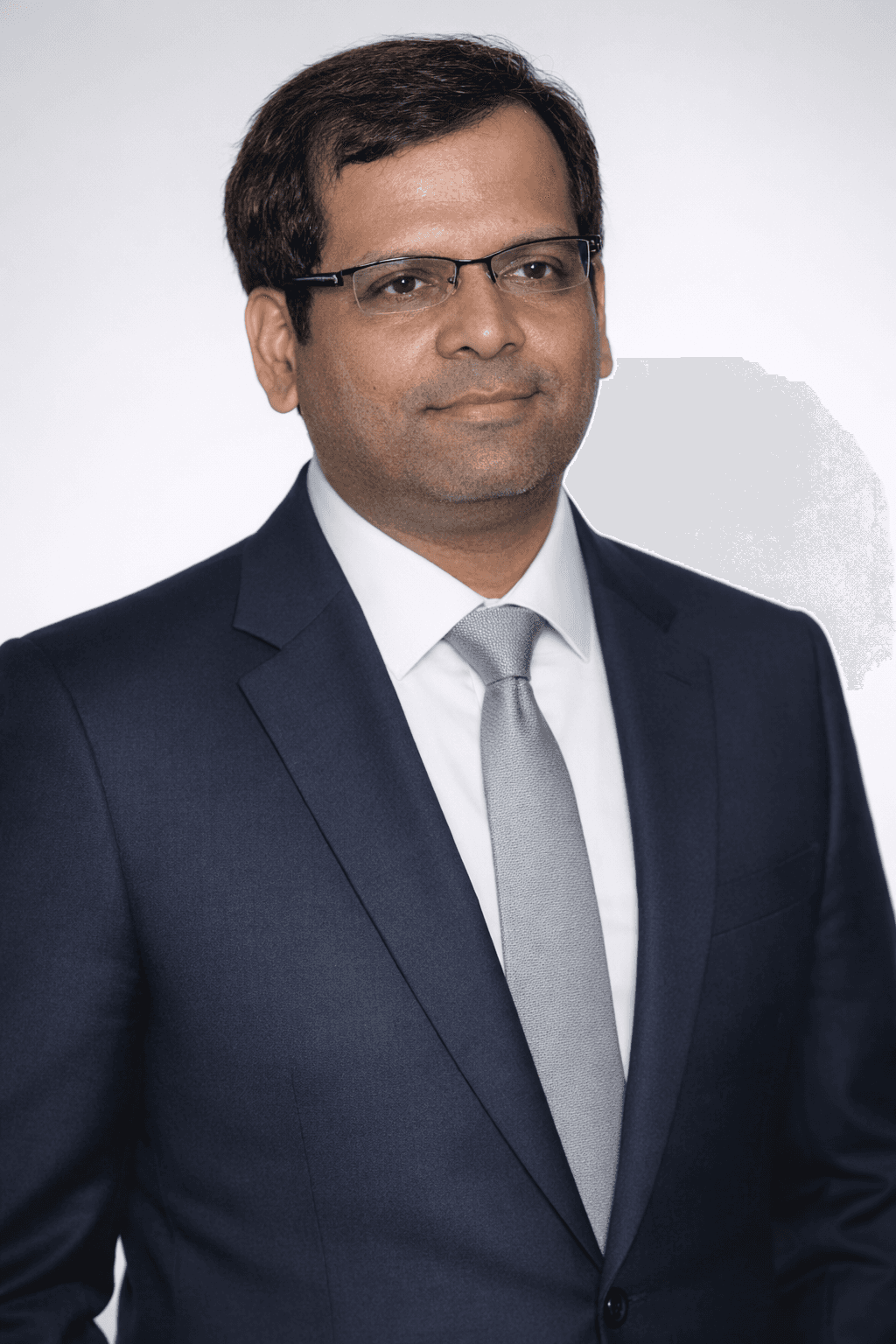
Mahesh Kasbekar is a Process Improvement Specialist and Senior Business Analyst with 27+ years of experience in Business Process Re-engineering (BPR) and Automation.

ABOUT ME

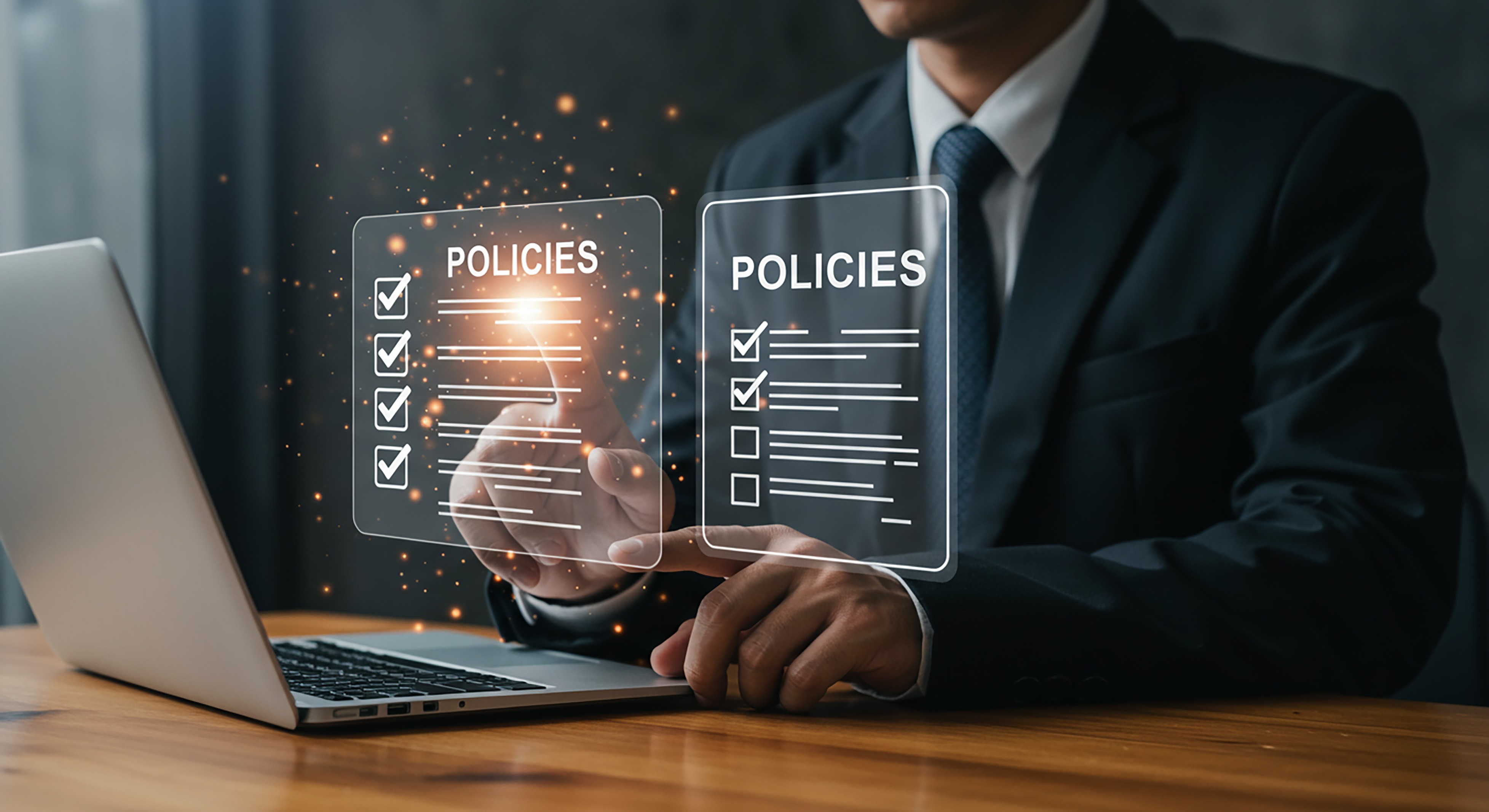


In 2026, delivering process improvement projects requires a blend of traditional rigor and modern agile flexibility. For a specialist like Mahesh Kasbekar, this involves a structured 7-stage framework that mirrors the "Agile-Lean-Sigma" hybrid model now standard in the industry.
The "Core Seven" Project Delivery Framework [W.E. D.R.I.V.E. change]

W - Why
Discovery and Assessment (The "Audit" Phase)
- Current State Mapping: Utilize digital process mining or value stream mapping to visualize existing workflows. - Stakeholder Engagement: Conduct interviews and workshops with cross-functional teams to identify "unreliable" processes and hidden bottlenecks.
E - Evaluate
Self Diagnosis and Root Cause Analysis
- Data-Driven Deep Dive: Apply the DMAIC (Define, Measure, Analyse, Improve, Control) model. Use statistical tools to analyse performance data like cycle times and error rates. - Identifying Redundancy: Pinpoint non-value-added activities—such as manual data re-entry—that can be eliminated or automated. - Hypothesis Building: Develop "improvement hypotheses" that align with the organization's strategic goals (e.g., cost reduction or faster turnaround times).
D - Document
Solution Design & Co-Creation
- Collaborative Design: Facilitate ideation workshops using virtual whiteboards to co-create solutions with the people who perform the work daily. - Automation Blueprinting: Design integrated workflows using RPA (Robotic Process Automation) or AI-driven assistants for "boring" tasks while keeping human touchpoints for complex decisions.
R - Review
Review
- Prototyping & Pilots: Test changes on a small scale (the "Do" in PDCA) to validate effectiveness before a full-scale rollout. - Benchmarking: Benchmark existing processes against ISO standards or industry best practices to prioritize high-impact areas (e.g., trading technology or risk management).
I - Implement
Implementation and Change Management
- Structured Rollout: Execute the project in Agile sprints, allowing for rapid feedback and adjustments during the implementation. - Capability Building: Empower internal teams by providing training on new standard operating procedures (SOPs) and ISO-compliant frameworks. - Cultural Alignment: Overcome resistance to change through transparent communication and by linking process improvements to improved employee morale.
V - Verify
Measurement and Continuous Improvement
- Real-time Dashboards: Implement KPIs and tracking tools to monitor the health of the new process instantly. - Standardization: Document the final process as the "new normal" and archive project records (project charters, lessons learned) for future reference. - Kaizen Mindset: Establish a regular review cycle (e.g., quarterly audits) to ensure the process evolves as technology and market demands change.
E - Endorse
Third Party Audit leading to ISO
- Stage 1 Audit: Certification Body reviews and certifies System Documentation as compliant. - Stage 2 Audit: Certification Body performs deep dive audit and certifies that System is compliant with ISO Standard chosen.
Is Mahesh available for work?
What is Mahesh’s core area of expertise?
Which industries does he serve?
Can he help with ISO Certification?
Does he work with international clients?
How does the process improvement engagement start?
BLOG